
In Kinshasa, buildings are springing up like mushrooms. R+8, R+12 structures, each with 2 to 3 bedrooms per apartment, air conditioning, water heaters, elevators, and sometimes even underground parking. A spectacular real estate boom, no doubt. But one crucial question looms large: Has the National Electricity Company (SNEL) anticipated this surge in consumption—or is it simply reacting to it?
Vertical Urbanization, Horizontal Pressure
Kinshasa’s rapid urban growth is accompanied by an unprecedented rise in electricity demand. These modern buildings are no longer just shelters; they are energy-intensive entities, often fully air-conditioned, packed with electrical equipment, and built with little to no coordination with energy authorities.

SNEL, for its part, lacks both the production capacity and the distribution infrastructure to support this vertical explosion. In most cases, it only connects these projects in a rush—sometimes after the buildings are already complete. The result? Overloaded grids, frequent power cuts, makeshift connections, and a growing reliance on diesel generators or private solar solutions.
When Construction Thrives… Without Planning
There’s an old saying: “When construction thrives, everything thrives.” But Kinshasa reveals the other side of the coin: building without planning is like building on sand. Yes, the construction sector boosts the economy, creates jobs, attracts investment, and reshapes the city’s landscape. But without adequate infrastructure, this dynamic becomes counterproductive: grid congestion, poorly served populations, and unoccupied buildings due to lack of basic services.
This situation reflects a lack of integrated urban planning. Constructions multiply without consideration for the electric grid’s capacity, water supply, roads, or public amenities.
How Can We Track Construction Sector Performance?

To determine whether this growth is truly benefiting the city and its residents, we need tools for monitoring and evaluation. Here are a few concrete focus areas:
Key Indicators to Monitor
Number of building permits issued vs. active construction sites
Occupancy rate of completed buildings
Effective SNEL connection capacity
Energy consumption by district
Delivery timelines vs. actual completion
Use of sustainable standards or alternative solutions (solar, insulation, etc.)
Institutions and Tools to Mobilize
Ministry of Urban Planning and Housing, to oversee vertical expansion
SNEL, to plan network upgrades
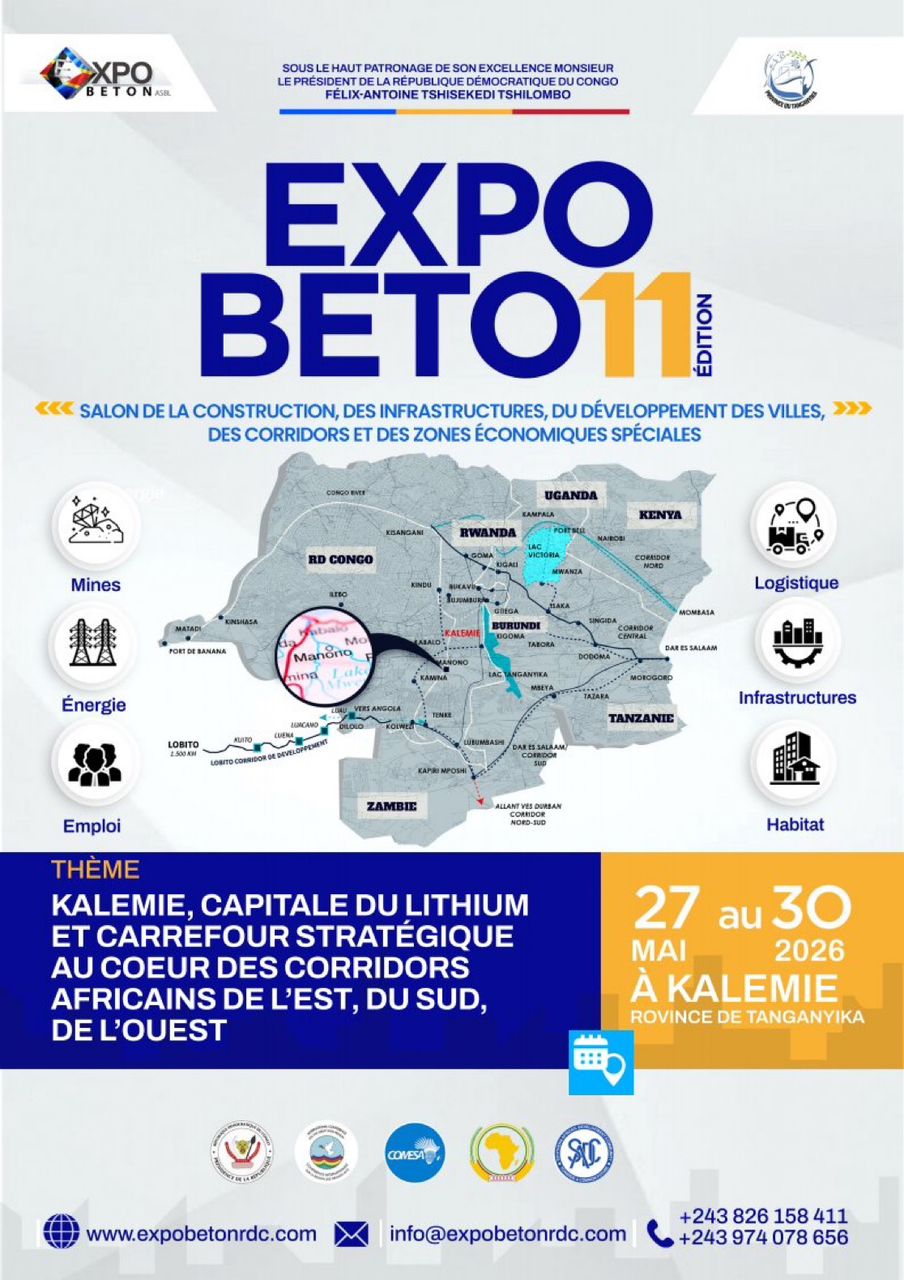
Actors like ExpoBéton, to serve as industry watchdogs, analysts, and awareness drivers
The creation of an independent urban observatory, to collect and publish reliable data
Building is no longer enough. We must power, connect, and plan.
If Kinshasa wants to build for tomorrow, it must first bring light to what it erects today.